Frequently Asked Questions;
Our lodge & surrounds
Self catering accommodation near Kruger National Park.
Luxury and privacy! Affordable and spacious! A romantic setting with a beautiful view!
Private plunge pool, outdoor shower, air conditioning, king size bed, fully equipped kitchen.
If I decide to self-cater, where can I get food & drinks?

There’s three large supermarkets in Hoedspruit town, the Pick n Pay supermarket being the biggest, as well as multiple butcheries and liquor stores. But don’t buy too much; all basics can also be found in a convenience store in Kampersrus, right next to the petrol station, which is only a 5 minute drive from our lodge. This store also has meat from the best butchery in the area: “Driehoek”. And Driehoek butchery ids about 15 minutes from our lodge.
Restaurants; the closest one is the Buck & Berg restaurant, just opposite of the petrol station in Kampersrus. They’ve got great pizzas, burgers and schnitzels etc. They also do take-away, so you can order your food via Whatsapp, collect it, and enjoy it at our lodge. If you need healthier (and lots more) options; the Blue Mountain restaurant is 15 minutes from our door, and is the 2nd best restaurant in our area. And of course there’s many more choices in Hoedspruit town, 30 minutes away from us. Our favourites are the Hat & Creek, Sleepers, and if you fancy a great Indian Curry; Kalimambo.
Restaurants; the closest one is the Buck & Berg restaurant, just opposite of the petrol station in Kampersrus. They’ve got great pizzas, burgers and schnitzels etc. They also do take-away, so you can order your food via Whatsapp, collect it, and enjoy it at our lodge. If you need healthier (and lots more) options; the Blue Mountain restaurant is 15 minutes from our door, and is the 2nd best restaurant in our area. And of course there’s many more choices in Hoedspruit town, 30 minutes away from us. Our favourites are the Hat & Creek, Sleepers, and if you fancy a great Indian Curry; Kalimambo.
What is the best season to visit Kruger area?
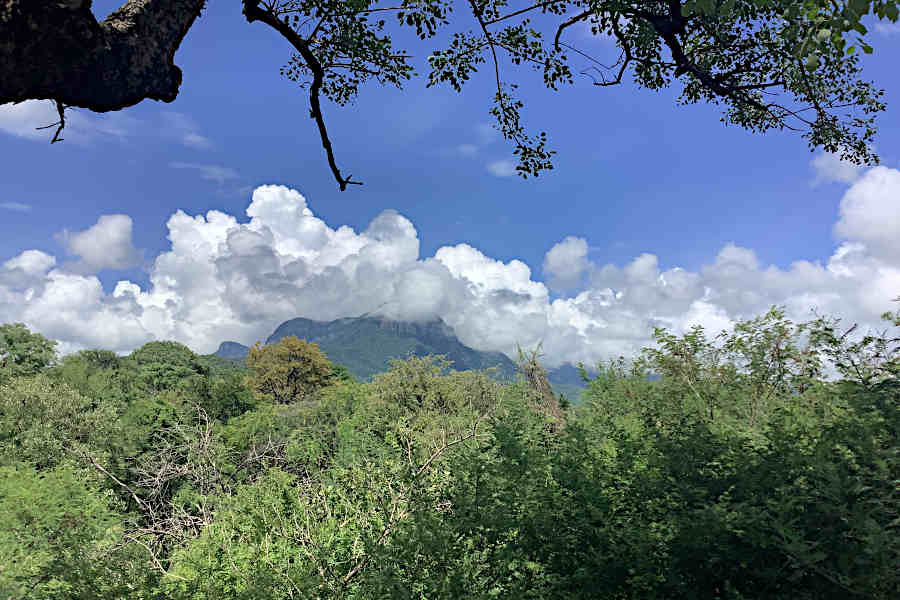
Let’s start with the most important thing; there’s no bad season here! We enjoy a moderate climate, and do not get the extremes you may experience in the tropics.
Our hottest season is our summertime, of course. Temperatures can sore above 40°C midday, especially in Kruger park, but to be honest; even though it’s our rainy season; the air is much less humid in comparison with a summer day in Holland or Belgium, for example. So even our hottest days are not that difficult to bear. But it does rain sometimes, in summer. And that rain is very erratic. We have years where our rains start early, and we’ve got years where the first rains only come after New Year. We’ve got years where we don’t get much (mostly thunderstorms late afternoon or at night) and we have years where we get a few cyclones over our heads that wash away bridges and roads. There’s no saying what you’re going to get, and when. So you could say you take a bit of a risk. But summertime also comes with one big advantage; all our summer migrants are here, so there’s much more bird life and insects, which is very important if you’re into photography.
By contrast, our winters are as dry as Jochen’s sense of humour. That doesn’t mean you don't get cloudy days though. But they are very few and very windy, so there’s no rain. Most of the days we get a blue sky. But that also means it cools off a lot during the night. Early mornings the temperature often drops to about 5-10 °C. But by midday you’ll be in shorts again as by then it’s 25°C, on average. No migrants in this season, very little insects, and vegetation that looks rather dull with lots of brown and yellow tints, and very few leaves. That makes it easier to spot animals, but the dull backgrounds make for less beautiful shots.
If you want to avoid these “extremes” then our spring or fall are the seasons for you. In spring it may be rather humid, even before the first rains fall. And if you arrive when it hasn’t rained yet then you’ll have an easy job spotting animals. If you arrive after the first rains; that’s the moment lots of animals have their young, and all plant life’s full of fresh green shoots. In the fall it will still be green, but the later in the fall you come, the less humid it gets, and the less green it gets. The fall may actually be the best season to avoid rain/humidity while still enjoying mild temperatures (read; a dip in the pool mights still be fun). Moreover; May-June is also low season, so no crowds anywhere!
Our hottest season is our summertime, of course. Temperatures can sore above 40°C midday, especially in Kruger park, but to be honest; even though it’s our rainy season; the air is much less humid in comparison with a summer day in Holland or Belgium, for example. So even our hottest days are not that difficult to bear. But it does rain sometimes, in summer. And that rain is very erratic. We have years where our rains start early, and we’ve got years where the first rains only come after New Year. We’ve got years where we don’t get much (mostly thunderstorms late afternoon or at night) and we have years where we get a few cyclones over our heads that wash away bridges and roads. There’s no saying what you’re going to get, and when. So you could say you take a bit of a risk. But summertime also comes with one big advantage; all our summer migrants are here, so there’s much more bird life and insects, which is very important if you’re into photography.
By contrast, our winters are as dry as Jochen’s sense of humour. That doesn’t mean you don't get cloudy days though. But they are very few and very windy, so there’s no rain. Most of the days we get a blue sky. But that also means it cools off a lot during the night. Early mornings the temperature often drops to about 5-10 °C. But by midday you’ll be in shorts again as by then it’s 25°C, on average. No migrants in this season, very little insects, and vegetation that looks rather dull with lots of brown and yellow tints, and very few leaves. That makes it easier to spot animals, but the dull backgrounds make for less beautiful shots.
If you want to avoid these “extremes” then our spring or fall are the seasons for you. In spring it may be rather humid, even before the first rains fall. And if you arrive when it hasn’t rained yet then you’ll have an easy job spotting animals. If you arrive after the first rains; that’s the moment lots of animals have their young, and all plant life’s full of fresh green shoots. In the fall it will still be green, but the later in the fall you come, the less humid it gets, and the less green it gets. The fall may actually be the best season to avoid rain/humidity while still enjoying mild temperatures (read; a dip in the pool mights still be fun). Moreover; May-June is also low season, so no crowds anywhere!
How long should I be staying?
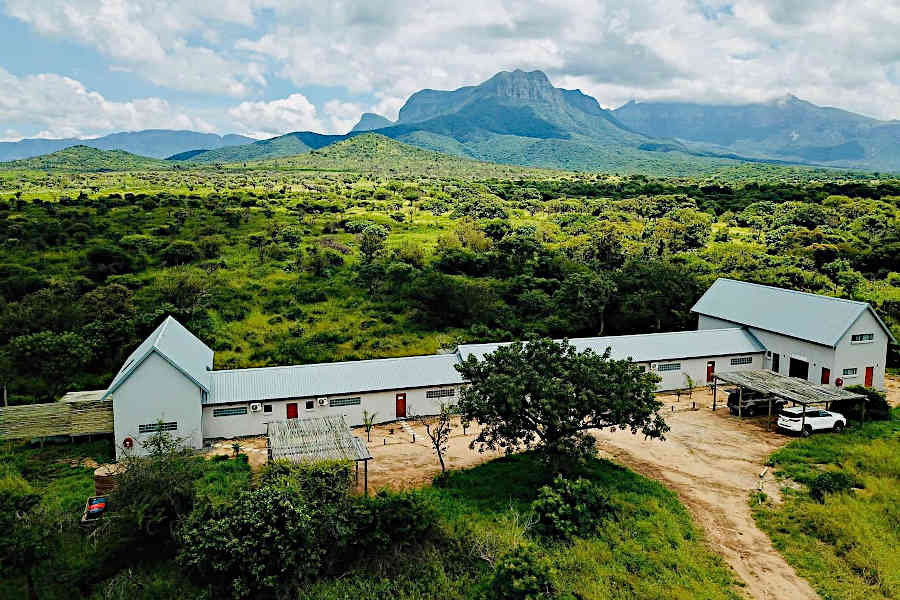
Long! We mean it!
Looking at most people’s South Africa itineraries, in our humble opinion they spend way too much time in Cape- and Garden Route regions, and too little time in our region. Typically they spend double the time there (10 days) than they stay with us (5 days), while actually it should be the other way around. Don’t get us wrong; we know there’s lots to see and do at the other end of the country, but let’s be real here for a second; most of those attractions are not really things you come to Africa for. You’ve got beautiful beaches, wine regions and mundane cities on other continents as well, and probably also in the continent you are from. By contrast; you probably don’t have elephants and lions, or even a huge canyon (well OK, US has got the biggest, but we’ve got the biggest evergreen one).
Let’s make a small calculation here. How many days do you need in our area, if you want to leave with a good impression of what the region has to offer;
- One day for the Panorama Route
- One day for Blyde Canyon, perhaps combined with another half-day activity/attraction in the neighbourhood
- Given the size of Kruger park; at least two full days to see a nice part of it (see our other FAQ page for info on where to go), and give Mother Nature the time to show herself.
- Two more days on a private reserve, or at a lodge like ours that provides game drives to private reserves, if you are really here for a safari and you want to experience that other type of game drives (away from the Kruger crowds, closer to the animals).
We’re already at 6 full days, which means 7 nights. And we haven’t even added great attractions and activities like Mariepskop Mountain or a helicopter ride yet, or included any time to just relax and chill out at your lodge, or go for a hike in the bush!
You see what we mean? It’s always a shame when guests depart from our lodge and they tell us that they would have loved staying longer because they could not squeeze in certain activities, or because they were unlucky with sightings and missed the leopard …on that one day they went into the park. Please understand that it’s not a zoo! Big cats do not show up every day!
Note that we have some packages on our website which include not only accommodation but also services like activities and if needed; transfers and meals. These packages are what we would consider minimum-length stays to cover a specific aspect of our region. So for instance there's a 3-nights package that focuses on mountainside attractions, a 3-night packages that focuses on safari-activities, etc. These packages can of course be extended if you want to add more activities. You can find them HERE.
Looking at most people’s South Africa itineraries, in our humble opinion they spend way too much time in Cape- and Garden Route regions, and too little time in our region. Typically they spend double the time there (10 days) than they stay with us (5 days), while actually it should be the other way around. Don’t get us wrong; we know there’s lots to see and do at the other end of the country, but let’s be real here for a second; most of those attractions are not really things you come to Africa for. You’ve got beautiful beaches, wine regions and mundane cities on other continents as well, and probably also in the continent you are from. By contrast; you probably don’t have elephants and lions, or even a huge canyon (well OK, US has got the biggest, but we’ve got the biggest evergreen one).
Let’s make a small calculation here. How many days do you need in our area, if you want to leave with a good impression of what the region has to offer;
- One day for the Panorama Route
- One day for Blyde Canyon, perhaps combined with another half-day activity/attraction in the neighbourhood
- Given the size of Kruger park; at least two full days to see a nice part of it (see our other FAQ page for info on where to go), and give Mother Nature the time to show herself.
- Two more days on a private reserve, or at a lodge like ours that provides game drives to private reserves, if you are really here for a safari and you want to experience that other type of game drives (away from the Kruger crowds, closer to the animals).
We’re already at 6 full days, which means 7 nights. And we haven’t even added great attractions and activities like Mariepskop Mountain or a helicopter ride yet, or included any time to just relax and chill out at your lodge, or go for a hike in the bush!
You see what we mean? It’s always a shame when guests depart from our lodge and they tell us that they would have loved staying longer because they could not squeeze in certain activities, or because they were unlucky with sightings and missed the leopard …on that one day they went into the park. Please understand that it’s not a zoo! Big cats do not show up every day!
Note that we have some packages on our website which include not only accommodation but also services like activities and if needed; transfers and meals. These packages are what we would consider minimum-length stays to cover a specific aspect of our region. So for instance there's a 3-nights package that focuses on mountainside attractions, a 3-night packages that focuses on safari-activities, etc. These packages can of course be extended if you want to add more activities. You can find them HERE.
Should I be afraid of malaria?

You will not find any accommodation provider, ever, telling you to not take anti-malaria tablets. But truth be told; the risk is seasonal, and very low. And some doctors don’t seem to know that.
Malaria is spread by a type of mosquito that only lays eggs if the nightly temperatures do not drop below 22-23°C. So for a large part of the year it’s just too cold here for that mosquito to reproduce and survive. Moreover; the mosquito in itself is not a problem; the malaria parasite is! So in our summer, when it starts getting hot enough for this mosquito, it takes a long while before malaria arrives here, from the tropics. Some years it hardly gets here at all. The parasite has to move from animal to mosquito to human to mosquito to human etc etc, all the way from central Africa to get here. Thirdly; malaria spreads much easier in areas that are densely populated and where there’s lots of animals (read; cattle). In the bush, where animal densities are normal, where your safari lodge is, and where most lodge guests are from countries where malaria does not exist, malaria rarely shows up.
When malaria does come to our town, the doctors warn us immediately via social media, the town centres of Hoedspruit and Kampersrus get doused in an anti-malaria product, and we tell our guests to be careful. Being careful actually just means being smart; after dark wear long sleeves and trousers, or use an anti-mozzie spray. And most importantly; make sure they don’t get to you at a time when you’re not paying attention! What we mean is; sleep under a mosquito net! This is why it’s very important to opt for accommodation that provides these nets.
Anti-malaria pills are great, but they do have some downsides; you cannot take them for too long as they are bad for your liver, and you can still get infected but then the pills may mask the disease (although most symptoms only start occurring about 10 days after getting infected). The best bit of advise we can give you; if you would get a fever while here; ask us for a malaria test. We have them in all pharmacies, and they are super cheap. And if you feel feverish after your trip while already back at home; go to your doctor immediately and let him take a blood sample. Should you test positive for malaria, then the most important thing is to catch it early and to treat it early. If you do this and get the needed treatment, you will hardly get sick and recover very quickly.
Malaria is spread by a type of mosquito that only lays eggs if the nightly temperatures do not drop below 22-23°C. So for a large part of the year it’s just too cold here for that mosquito to reproduce and survive. Moreover; the mosquito in itself is not a problem; the malaria parasite is! So in our summer, when it starts getting hot enough for this mosquito, it takes a long while before malaria arrives here, from the tropics. Some years it hardly gets here at all. The parasite has to move from animal to mosquito to human to mosquito to human etc etc, all the way from central Africa to get here. Thirdly; malaria spreads much easier in areas that are densely populated and where there’s lots of animals (read; cattle). In the bush, where animal densities are normal, where your safari lodge is, and where most lodge guests are from countries where malaria does not exist, malaria rarely shows up.
When malaria does come to our town, the doctors warn us immediately via social media, the town centres of Hoedspruit and Kampersrus get doused in an anti-malaria product, and we tell our guests to be careful. Being careful actually just means being smart; after dark wear long sleeves and trousers, or use an anti-mozzie spray. And most importantly; make sure they don’t get to you at a time when you’re not paying attention! What we mean is; sleep under a mosquito net! This is why it’s very important to opt for accommodation that provides these nets.
Anti-malaria pills are great, but they do have some downsides; you cannot take them for too long as they are bad for your liver, and you can still get infected but then the pills may mask the disease (although most symptoms only start occurring about 10 days after getting infected). The best bit of advise we can give you; if you would get a fever while here; ask us for a malaria test. We have them in all pharmacies, and they are super cheap. And if you feel feverish after your trip while already back at home; go to your doctor immediately and let him take a blood sample. Should you test positive for malaria, then the most important thing is to catch it early and to treat it early. If you do this and get the needed treatment, you will hardly get sick and recover very quickly.
I'm bringing the kids. Any specific tips?
Kids love a pool, love a very diverse set of activities, and - let’s be honest - hate doing the same thing for too long. Our lodge is ideal for them as all cottages have a plunge pool and as there’s very diverse attractions and activities nearby. When it comes to game drives; the younger the kids the more difficult it is for them to sit still for long periods, which may be detrimental in sightings; they might spook the animal being viewed, which then runs away.
Our advice is; if you have young kids, opt to self-drive in Kruger National Park and make sure to add in plenty of stops at the Kruger restcamps, to go look at the view, to visit the park shop, and especially to visit the big tuskers museum in Letaba restcamp. If you’d like to go on game drive in an open safari vehicle, whether it’s in the National Park or a private reserve; if your kids are under six years of age; opt for a private vehicle and guide. We can arrange this. It’s more expensive but at least you get to decide when to have a break during the game drive, and when to get out of the park or reserve.
Note that all our cottages have a sleeper couch for kids under 12. In all but winter season we make sure the sleeper couch is covered by a mosquito net, just like the bed in the main bedroom. And if you use the couch as a bed for kids, we bring another couch to your unit so you’ll still have a lounge area of sorts. Kids under 12 using the sleeper couch pay 50% of adult rates. Kids under 2 years old stay for free; we foresee a baby cot for them. And yes; those get a mozzie net as well!
Our advice is; if you have young kids, opt to self-drive in Kruger National Park and make sure to add in plenty of stops at the Kruger restcamps, to go look at the view, to visit the park shop, and especially to visit the big tuskers museum in Letaba restcamp. If you’d like to go on game drive in an open safari vehicle, whether it’s in the National Park or a private reserve; if your kids are under six years of age; opt for a private vehicle and guide. We can arrange this. It’s more expensive but at least you get to decide when to have a break during the game drive, and when to get out of the park or reserve.
Note that all our cottages have a sleeper couch for kids under 12. In all but winter season we make sure the sleeper couch is covered by a mosquito net, just like the bed in the main bedroom. And if you use the couch as a bed for kids, we bring another couch to your unit so you’ll still have a lounge area of sorts. Kids under 12 using the sleeper couch pay 50% of adult rates. Kids under 2 years old stay for free; we foresee a baby cot for them. And yes; those get a mozzie net as well!
If I decide to self-drive, where do I get a rental car? And what type?
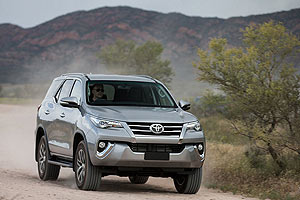
Not all roads are tarred here, and especially if you plan to go self-driving in Kruger: please opt for an SUV. It does not have to be a 4x4.
If you’re traveling as a couple, you don’t need the biggest SUV. Smaller SUV models like the Toyota Urban Cruiser or the VW T-Roc are very popular for couples. You’ll enjoy the comfort of being a bit higher up on your wheels when driving on the gravel roads in the National Park …and when hitting a pothole on our tarred roads! If you travel with 3 or 4 people, a bigger SUV is a good idea, as you also need sufficient space for all your luggage. The most popular model is the Toyota Fortuner or its Chinese counterpart; the Haval H6.
If you still need to rent a vehicle; note that we also have a travel agency (called “Wild About Safari”) and can help you with this. We work with a broker and can often provide lower rates than you can find online. Plus all our vehicles come with an excess-free top-of-the-line insurance. Ask us for a quote!
And if you need other accommodation than our lodge, be it in the Kruger private reserves or anywhere else in South Africa; note that we can help you with your safari plans, and will gladly compile a tailor-made itinerary for you, based on your needs and budget. Since our lodge is our main source of income, we do not need to maximise our profits of our travel agency, so we give part of our earned commissions away to our customers, in the form of a discount. You’ll have a hard time finding idem itineraries as the ones we compile at a lower price elsewhere!
For more info please see our travel agency website; www.wildaboutsafari.com
If you’re traveling as a couple, you don’t need the biggest SUV. Smaller SUV models like the Toyota Urban Cruiser or the VW T-Roc are very popular for couples. You’ll enjoy the comfort of being a bit higher up on your wheels when driving on the gravel roads in the National Park …and when hitting a pothole on our tarred roads! If you travel with 3 or 4 people, a bigger SUV is a good idea, as you also need sufficient space for all your luggage. The most popular model is the Toyota Fortuner or its Chinese counterpart; the Haval H6.
If you still need to rent a vehicle; note that we also have a travel agency (called “Wild About Safari”) and can help you with this. We work with a broker and can often provide lower rates than you can find online. Plus all our vehicles come with an excess-free top-of-the-line insurance. Ask us for a quote!
And if you need other accommodation than our lodge, be it in the Kruger private reserves or anywhere else in South Africa; note that we can help you with your safari plans, and will gladly compile a tailor-made itinerary for you, based on your needs and budget. Since our lodge is our main source of income, we do not need to maximise our profits of our travel agency, so we give part of our earned commissions away to our customers, in the form of a discount. You’ll have a hard time finding idem itineraries as the ones we compile at a lower price elsewhere!
For more info please see our travel agency website; www.wildaboutsafari.com